
Too many rounds for one decision
A simple request spends days waiting for one more approval.
The problem is rarely the people.
Find what keeps getting in the way. Fix it at the source.
Recognize what’s slowing you down
You’re forty minutes into a meeting.

The pen costs €3. Getting it approved costs a week.
A simple request spends days waiting for one more approval.
Everyone agrees on the next step. A week later, nobody has started.
Questions others could answer keep landing on your desk.
Every team is busy. The shared task still does not move.
What worked with thirty people begins to creak at sixty.
Sometimes more people are needed. Sometimes the same confusion gets one more participant.
How we work with you
Our organizational consulting starts with what you experience. Tell us what keeps happening, where work slows down and what you want to be different.
Where is the company now? Where do you want to arrive?
They usually see different parts of the same problem.
Separate frustrations begin to form a measurable picture.
Does the picture match real life? What sits behind it?
We choose what should change first and who owns it.
We ask again: did work actually get easier?
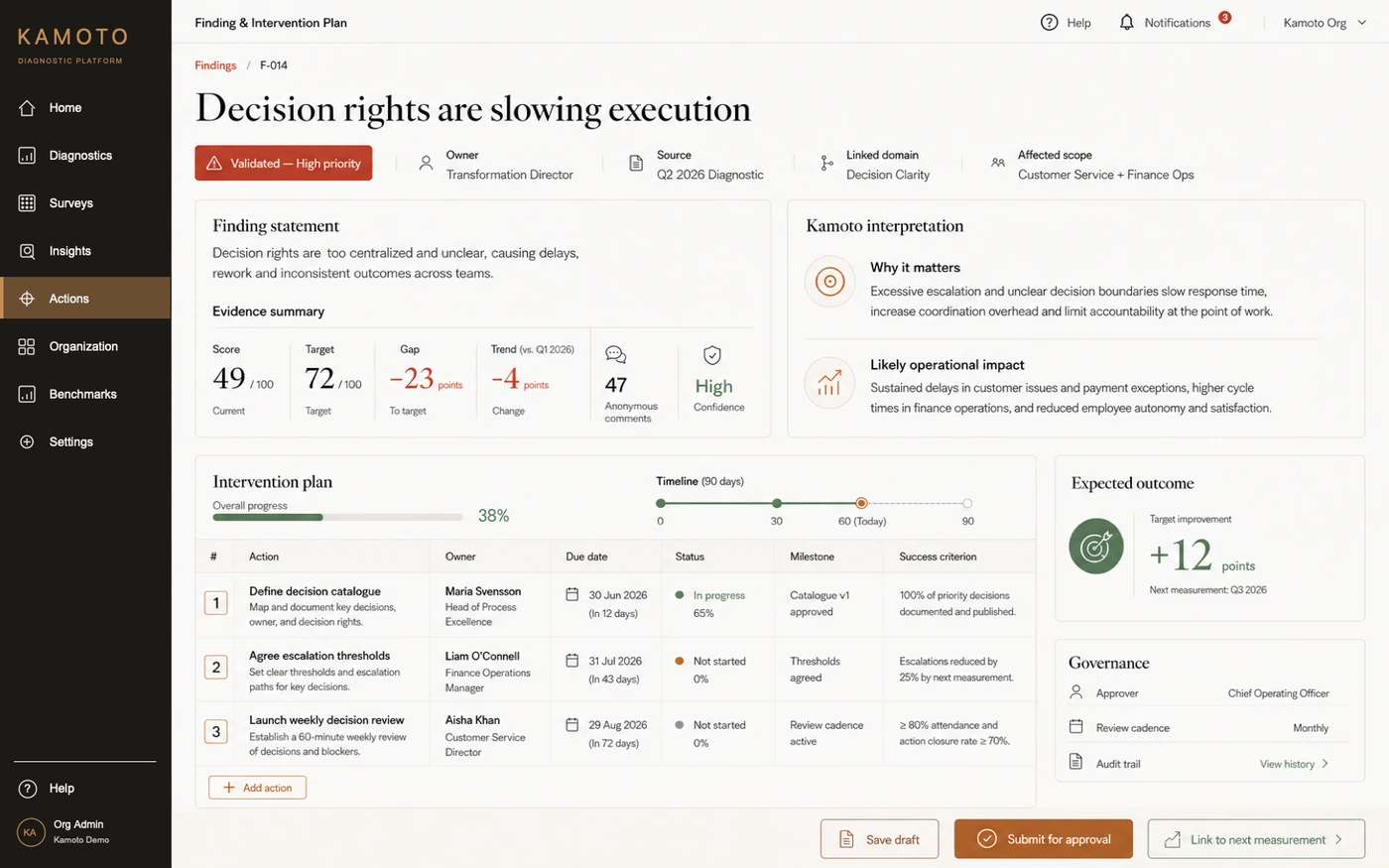
People are not numbers. But recurring experiences can be counted—and patterns are harder to dismiss than anecdotes.
One comment can be an exception. The same experience across teams is a pattern.

 Enlarge
What should happen next?
We turn the pattern into a priority, an owner and a plan. Leadership chooses what fits. We measure what changes.
Targeted changes
Our organizational effectiveness consulting focuses on the problem we have found together. Each intervention is shaped around your company, its stage of development and its people.
What the work can involve
Leadership workshops · Team training · Team coaching
Facilitation · Advisory · Practical operating tools
Proof in the work
We have spent decades inside large organizations, including many years as leaders. We know what happens when a good idea meets deadlines, pressure and an ordinary Monday morning.
Read the case study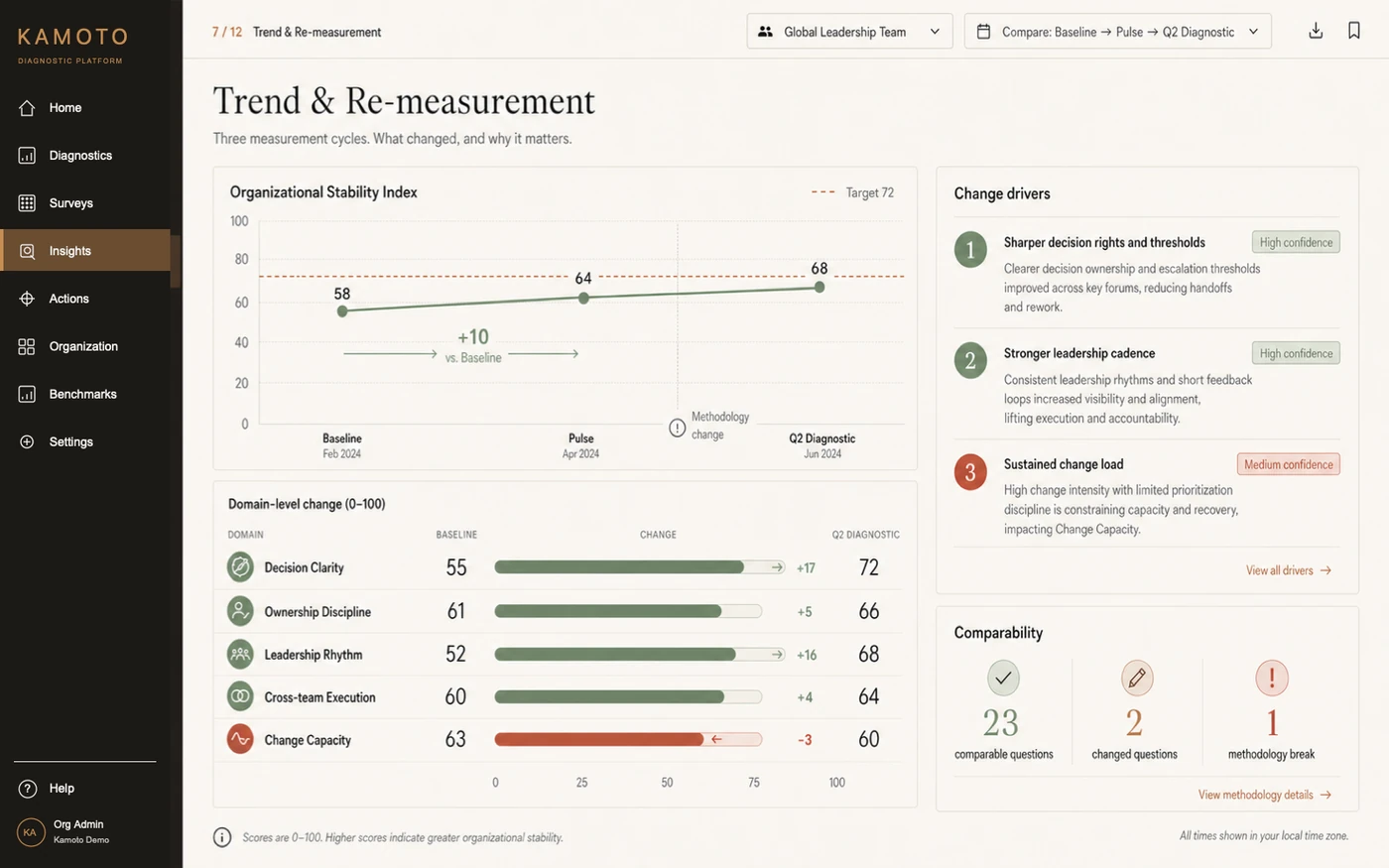 Enlarge
“This is the only way it can work.”
“That would be impossible here.”That usually means it is worth looking again.
We check in with people and measure again. What improved? What is still getting stuck? What needs another adjustment?
Who you’ll work with
Together, we connect what people experience with how the company actually works.

Kata works with the conversations, difficult questions and changes people need to make together.
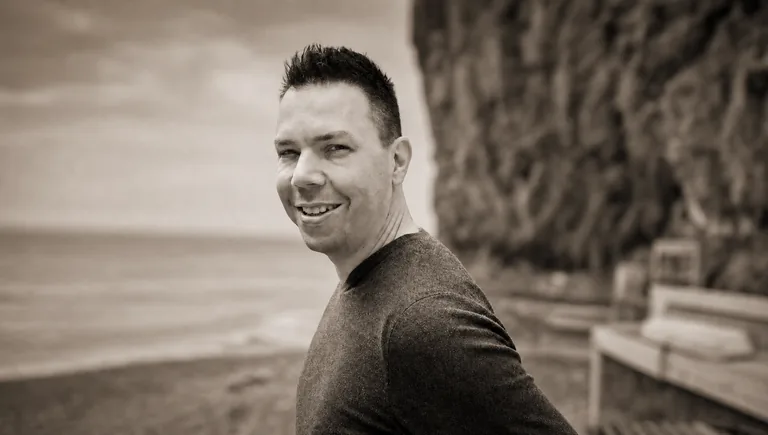
Balázs looks at how everyday problems connect to business goals, decisions and responsibilities.
You tell us what is happening and what you want to change. We agree on what needs a closer look.
Together, we identify the relevant teams, questions and business context.
Leaders and employees share what they experience. We work through real situations together.
We bring the evidence into one picture and choose what matters most.
Each change has an owner. We support the work and track progress.
We measure again and agree on what to continue, change or stop.
The next step
For the first conversation, tell us what is happening, where work gets stuck and what you would like to be different. That is where we start.