
KAMOTO

ABOUT KAMOTO

Built from the
operator’s seat.

We turn operational noise into structure, rhythm, and responsibility teams can actually carry.

Calm operational table with handwritten notes, cards and structured working materials
THE TWO LENSES

Different disciplines.
One operating logic.

Kamoto is built around two complementary ways of seeing the same problem: one reads the business pattern, the other helps the system hold the change.

One lens reads the pressure. The other helps the system hold the change. Together, they turn diagnosis into operating structure.

Kata portrait
Kata
Facilitation. Leadership depth. Stabilisation.

Kata works where leadership intent has to become usable behaviour: in workshops, role clarity, operating rhythm and the disciplined human work of making change hold.

  • Facilitation and workshop delivery
  • Coaching, mentoring and leadership load
  • Stabilisation after change
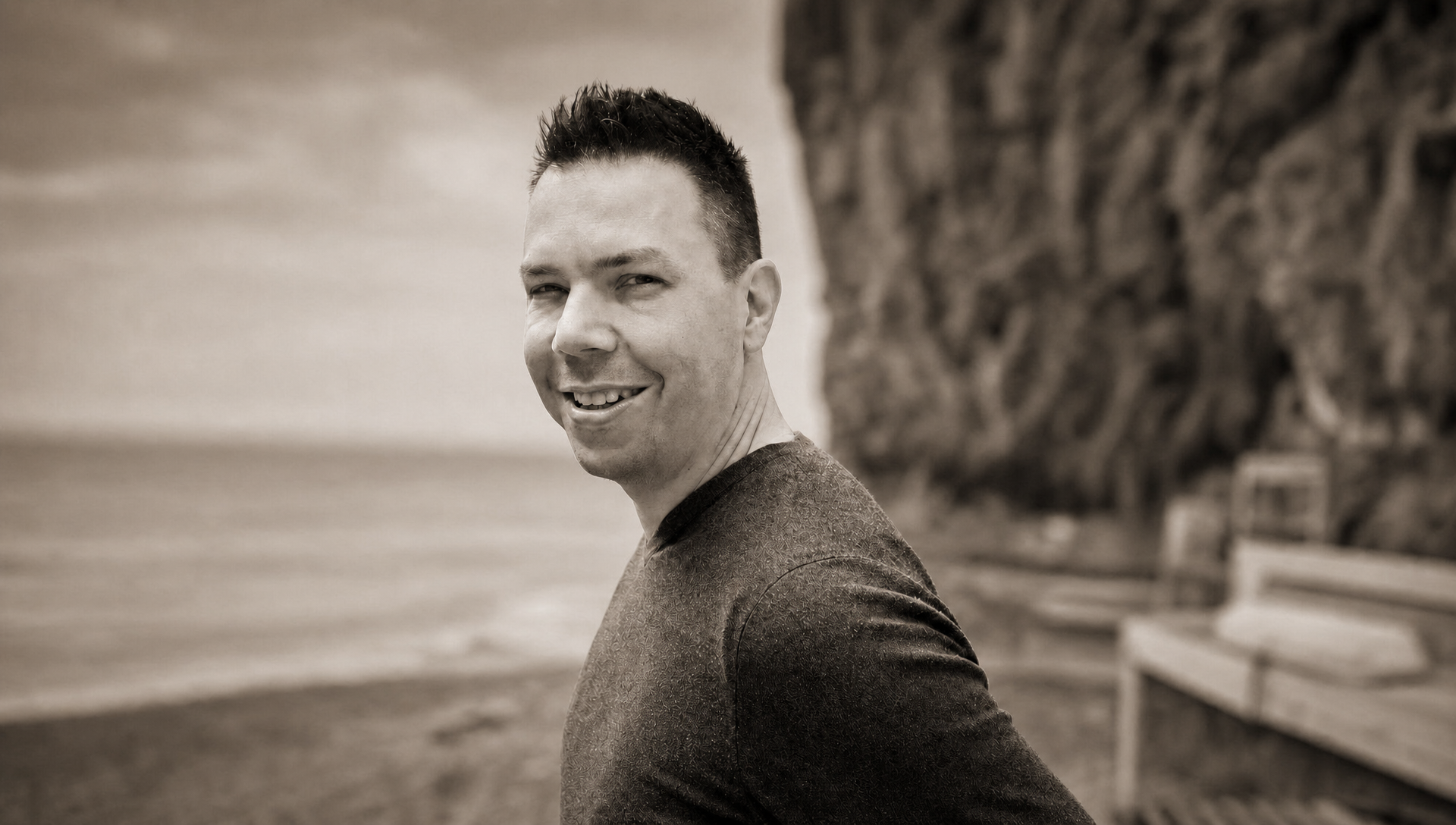
Balázs portrait
Balázs
Pattern reading. Executive access. Talent leverage.

Balázs reads the business pressure behind the hiring need: unclear roles, overloaded leadership, broken decision rhythm and the structural reasons recruitment alone often fails.

  • Strategic diagnosis and pattern reading
  • Executive access
  • Recruitment leverage
NOT A THEORY. A RECURRING OPERATING PATTERN.

Kamoto was shaped by situations where the hiring question, the leadership question and the operating question kept turning out to be the same one.

WHY WE BUILT KAMOTO

We kept seeing the same pattern.

Growth rarely breaks an organisation in one dramatic moment. It usually happens more quietly: more people, more meetings, more ownership gaps, more leadership load — until the real issue is no longer capacity, but structure.

Companies hired more.

The instinct was to add capacity into a system that was already unclear.

Complexity increased.

More people created more handovers, dependencies and blurred ownership.

Leadership load collapsed.

Leaders became the escalation path, the memory and the operating glue.

The problem was structural.

Hiring was not wrong. It was simply being asked to solve the wrong problem.

WHAT WE BELIEVE

Operating problems rarely need more theatre.

They need cleaner decisions, clearer roles, steadier rhythm and enough structure for people to stop compensating for the system.

Clarity over noise

We cut through complexity to find the few operating questions that actually matter.

Structure over heroes

Sustainable performance should not depend on a few exhausted people holding everything together.

Ownership over escalation

We design systems where responsibility is visible, usable and carried at the right level.

Rhythm over firefighting

A steady operating rhythm beats constant reaction, heroic recovery and last-minute rescue.

HOW WE WORK WITH LEADERS

Close enough to see the system. Far enough to challenge it.

We work with leaders who already feel that something underneath the visible problem is not holding. The work is not to create more noise around the organisation. It is to make the operating reality usable.

No motivational theatre. No endless diagnosis deck. No pretending that a workshop changed the system if Monday morning still works the same way.

01

Diagnose

We uncover the real operating issue behind the symptom: decision bottlenecks, unclear ownership, overloaded leaders or a rhythm that no longer supports the work.

02

Rebuild

We turn the diagnosis into working structure: clearer roles, decision forums, leadership routines and practical operating agreements the team can actually use.

03

Stabilise

We help the system hold under real pressure, so clarity becomes rhythm, rhythm becomes responsibility, and responsibility stops living only in the leader’s head.